Understanding Certificate Of Evaluation For Peptide Sourcing Gabriel Alizaidy, Md, Ms Posted On The Topic
Mass spectrometry gauges the molecular mass of chemical compounds. In peptide analysis, this strategy helps confirm whether the spotted molecular weight represents the expected peptide structure. A lot of COAs note the analytical method made use of to gauge pureness or validate identification. These techniques may include chromatographic or spectrometric techniques frequently made use of in analytical chemistry.The screening approach provides context for just how the reported measurements were gotten. The Nextday Peptides research peptide COA library offers immediate accessibility to Learn more here third-party validated Certificates of Analysis for box products throughout our complete directory.Recognizing Certification Of Analysis For Peptide Sourcing
In addition, pureness degrees are completely assessed making use of high-performance fluid chromatography. This ensures that the substance fulfills the needed concentration degrees for study applications. To enhance security, our COAs likewise include microbial and heavy steel testing.To make sure quality, each set undertakes strenuous testing to fulfill rigorous sector standards. In addition, we provide a Certificate of Evaluation (COA) for each item to ensure transparency. This important document verifies identification, purity, and composition, ensuring scientists receive dependable compounds for their research studies. Mastering COA interpretation stands for an essential skill for anyone entailed with research study peptides. The paper functions as your main quality assurance tool in a sector where regulative oversight continues to be minimal and item high quality varies significantly between suppliers.
Certificate Of Evaluation
The sequence details, generally presented making use of basic amino acid abbreviations, allows confirmation that the appropriate peptide was manufactured. Any kind of discrepancy in between the mentioned sequence and the anticipated sequence suggests a prospective issue calling for prompt distributor call. By proceeding, you confirm you are a certified buyer using these materials exclusively for legal research study purposes. These items are not medications, foods, nutritional supplements, cosmetics, or clinical gadgets and are not planned to identify, treat, cure, or stop any disease. All Bluewell Peptides products are confirmed to fulfill or go beyond ≥ 99.1% purity (HPLC-tested). Each set goes through a structured, two-stage confirmation process.
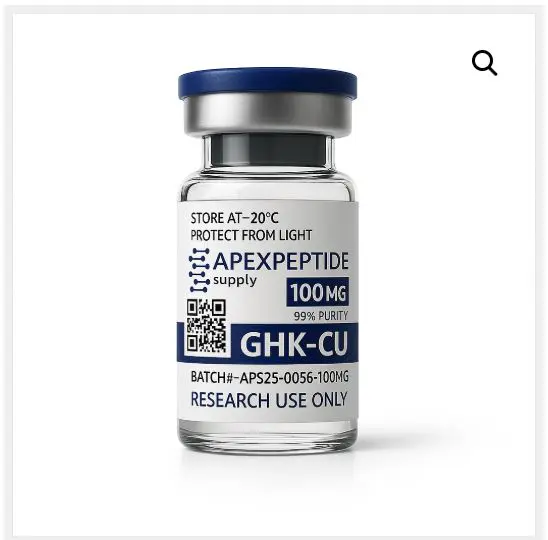
- It is utilized to reveal standard logical information such as the item name, batch or great deal number, examination day, and reported purity results.The COA records amino acid structure as molar ratios about a reference amino acid, normally set to 1.00.Researchers frequently check that the batch number on the CoA matches the tag on the product.Enter your batch number to see thorough examination results or browse our recent certificates below.This information enables scientists to assess possible biological interference and speculative danger.
This instructional resource describes how laboratory paperwork such as certifications of analysis (COAs) is made use of to report logical screening results in peptide research study. A peptide certification of analysis is a lab report summing up logical testing results for a particular batch of a peptide research compound. The file commonly includes purity dimensions, batch recognition info, and the logical approaches made use of during testing. A COA, or certification of analysis, is a file that sums up screening and quality-related details for a specific set or whole lot.
It does not confirm every little thing on its own, yet it does reveal whether the provider is making a real initiative to support the sourcing process with documentation. This instructional material is planned to offer a neutral summary of peptide COAs, testing techniques, and lab paperwork practices. In the broader context of peptides for scientific study, openness is carefully attached to documentation criteria. Researchers must have the ability to assess the features of materials used in speculative settings.HPLC can aid explain purity, while LC-MS can add valuable identity-related context when readily available. HPLC, or High-Performance Fluid Chromatography, is among one of the most common logical techniques used in peptide documentation. In straightforward terms, it helps demonstrate how much of the example appears as the major compound compared with various other observable components in the chromatographic account. This is why HPLC is commonly utilized to report purity portions on a peptide COA. It is important to understand that a COA is only valuable when it is complete, legible, and linked to the precise item being marketed. A file with missing dates, unclear methods, or no set referral provides purchasers much less self-confidence in the traceability of the product.
